
Translate (
en
)
- af
- sq
- am
- ar
- hy
- az
- eu
- be
- bn
- bs
- bg
- ca
- ceb
- zh-CN
- zh-TW
- co
- hr
- cs
- da
- nl
- en
- eo
- et
- fi
- fr
- fy
- gl
- ka
- de
- el
- gu
- ht
- ha
- haw
- iw
- hi
- hmm
- hu
- is
- ig
- id
- ga
- it
- ja
- jw
- kn
- kk
- km
- ko
- ku
- ky
- lo
- la
- lv
- lt
- lb
- mk
- mg
- ms
- ml
- mt
- mi
- mr
- mn
- my
- ne
- no
- ps
- fa
- pl
- pt
- pa
- ro
- ru
- sm
- gd
- sr
- st
- sn
- sd
- si
- sk
- sl
- so
- es
- su
- sw
- sv
- tl
- tg
- ta
- te
- th
- tr
- uk
- ur
- uz
- vi
- cy
- xh
- yi
- yo
- zu
News & Events
Why Canada? A snapshot
August 4, 2025
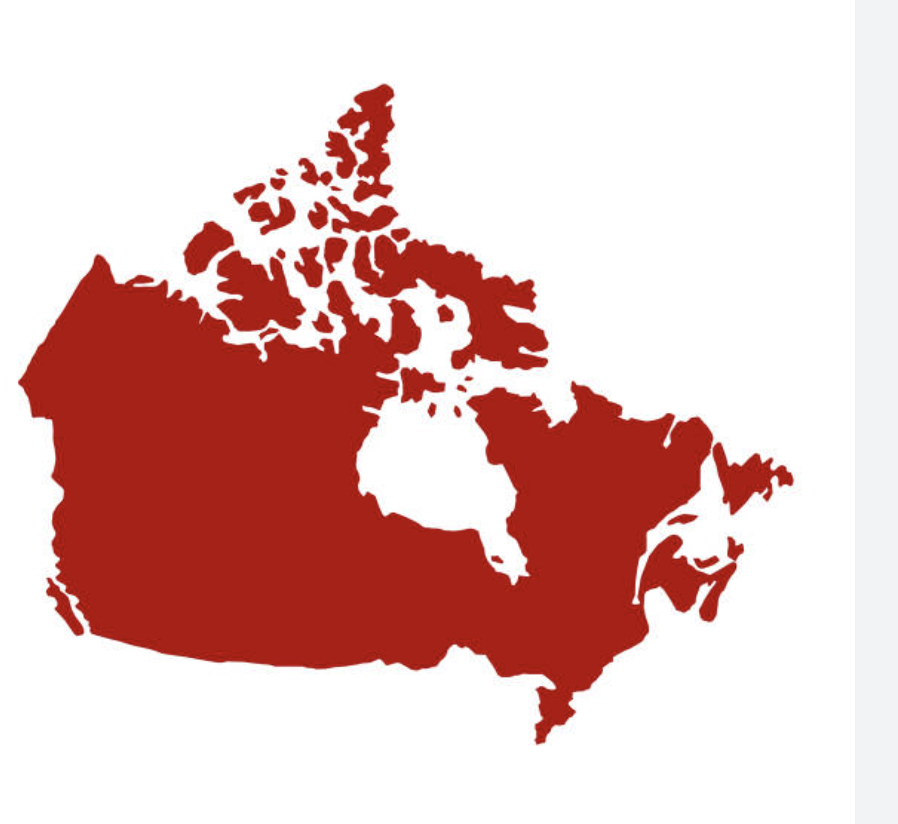
Australia has one of the most segregated school systems in the developed world and the problem is getting worse. This has a negative effect on national academic achievement, equity of outcomes, and the experience of school. Experts have been advising Australian governments for decades that intense levels of social segregation undermine all our schools try to achieve.
In searching for solutions, it made sense to explore how comparable countries design their school systems.
Australia and Canada spend similar amounts on school education and share much in common in terms of history, culture and demography. However, Canada has much lower levels of social segregation in its schools, young Canadians are much more likely to meet and mix across class and cultural divides at school than their Australian peers. Canada enjoys higher levels of achievement and consistently outperforms Australia in the OECD’s PISA tests across all learning domains.
Each province in Canada has a distinct education system as the national government has no responsibility for education. This provides many lessons to learn from Canada’s range of school systems. Provinces like Ontario enable Australia to see new possibilities. Other provinces, like British Columbia and Quebec, reflect our own problems back at us, even if in less acute form.
Research by Professor Laura Perry about Canada indicates that 74 percent of students attend a high school whose only entrance requirement is local residence. In Australia, where students from affluent and educated backgrounds tend to gravitate towards each other in fee-charging non-government schools and state selective schools, the figure is just 29 percent.
Consequently, local, comprehensive public schools in Australia are likely to have a preponderance of disadvantaged students, forming the lowest level in a stratified social hierarchy. Compared to the OECD average, Australia has a significantly higher percentage of disadvantaged students attending schools where most students are also disadvantaged. In Canada, that percentage is significantly lower than both Australia and the OECD average.
In Australia a high proportion of advantaged students are enrolled in fee-charging nongovernment schools or selective state schools, leading to a large concentration of social disadvantage in comprehensive public schools.
Ontario’s arrangements are replicated in Alberta, which is even more successful, but other provinces like British Columbia and Quebec provide public subsidies to non-government schools and allow those schools to charge fees and apply entrance tests – like in Australia.
Quebec is the province most like Australia in heavily publicly subsidising largely unregulated private and selective public schools, and it has the highest level of social segregation of the Canadian provinces. Quebec’s publicly subsidised private schools are permitted to charge high admission fees and enrol on a selective basis. École Ensemble (School together), a movement of concerned parents and citizens, is campaigning for a common network of public schools and ‘contracted’ private schools.